

TL;DR:
Video ad serving is how digital video ads get from an ad server to a video player, tracked and delivered at scale. The whole system runs on a stack of ad tags, each designed for a specific job. VAST is the video ad serving template that handles the majority of ad delivery across the web, transferring important metadata like media files and impression trackers to the video player. VPAID built on that foundation to support interactive ads, but its 30% error rate and security issues accelerated its deprecation.
SIMID and OMID now fill that gap, splitting responsibilities between publishers and advertisers more cleanly. VMAP handles ad insertion across multi-ad video content, while MRAID covers the mobile side. If you work with video ads on any video ad serving platform, whether for display, CTV, or OTT, knowing which tag does what saves you from expensive troubleshooting down the line.
Video is the dish best served warm…
You don’t need bulky statistics to know about the success of video advertising. A little reminder: With the digital video marketplace reaching over 110 billion USD in annual ad spend worldwide, the infrastructure that serves those ads has never mattered more.
Whether it’s because video ads are the perfect format in the age of ad personalization or our unga-bunga brains process visuals almost 60,000 times faster than text, 91% of marketers are already using videos in their campaigns.
Not all video ad serving platforms handle these formats the same way. The tag stack a platform supports, VAST, VPAID, VMAP, MRAID, or the newer SIMID and OMID, determines what ad types you can actually run and how reliably they deliver.
But we’re not here to talk about video advertising alone(maybe just a little bit). “How does video ad serving work?” is a more interesting question to explore.
Today, we dig into the ins and outs of video ad serving; you’ll discover how video ads work, which ad tags serve what purpose, and how to serve high-performing video ads yourself.
Meet VAST, VPAID, VMAP, MRAID, SIMID, and OMID. Let’s roll!
How Does a Video Ad Server Work?
*All video ads are served with the help of video ad tags. Before we move on to them, it’s important to understand the differences in terminology so you don’t get further confused.
Since the first-ever video ad was broadcast on WNBT in 1941, what video ads consist of has changed completely, even as the core idea of pairing ads with content has not. Just like their TV ancestors, video ads can’t exist without the main content, but the ads themselves are quite different.
How Are Video Ads Served?
From a technical standpoint, video ads are served in two ways:
- Instream
According to the latest IAB guidelines, instream videos are ads served inside the main video player and played with the sound on by default. Like on TV💀 or YouTube, the main player stops when an instream ad launches.
- Outstream
The video ads that live outside the main video player are called outstream video ads. They don’t require an HTML5 video player and run on mute.
Which one’s better? Well, they serve different purposes, but for the most curious, we’ve already touched upon Instream vs. Outstream ads.
What Video Ad Types Are There?
One more thing before we move on. Ads can also be divided into types based on how they interact with the main content.
- Linear video ads
Linear video ads run in the same video player as the main content. All linear ads are instream and can be played before (pre-roll), during (mid-roll), and after (post-roll) the video content.
- Nonlinear video ads
Non-linear video ads can be both instream and outstream. Nonlinear instream ads run inside the video content, but they can either overlay it (like playing in the bottom quarter) or just run at the same time as the video.
The outstream non-linear video ads run just as you’d imagine: outside main video content on mute.
What Is Video Ad Serving Template (VAST)?
*We’ll call VAST, VPAID, and others – tags just for the ease of readability.
VAST is responsible for 90% of the ads you’ll see online. This IAB template, initially launched in 2008, is the basis of modern video ad delivery and has been updated several times since to keep pace with how video is consumed.
Technically, VAST is not an ad tag; VAST is an XML schema that structures different ad tags that, in turn, serve video ads to players — handling timing, media files, and player communication in ways a standard display ad server is not designed to manage.
This is the core mechanic of how VAST transfers important metadata, including the media file, tracking elements, and ad format details, from the ad server to the video player.
VAST is the foundation that most video ad serving technology is built on, which is why understanding it first makes everything else easier to follow. Without a working VAST implementation, none of the more advanced standards in this article have anything to build on.
What’s this metadata? VAST consists of:
- Media file with the ad creative;
- Tracking elements that map to video events (impression tracker);
- Ad format (out-in-stream/pre-mid-post-roll, overlay/non-overlay, etc.).
What are the examples of VAST? In raw code, the VAST tag looks something like this:
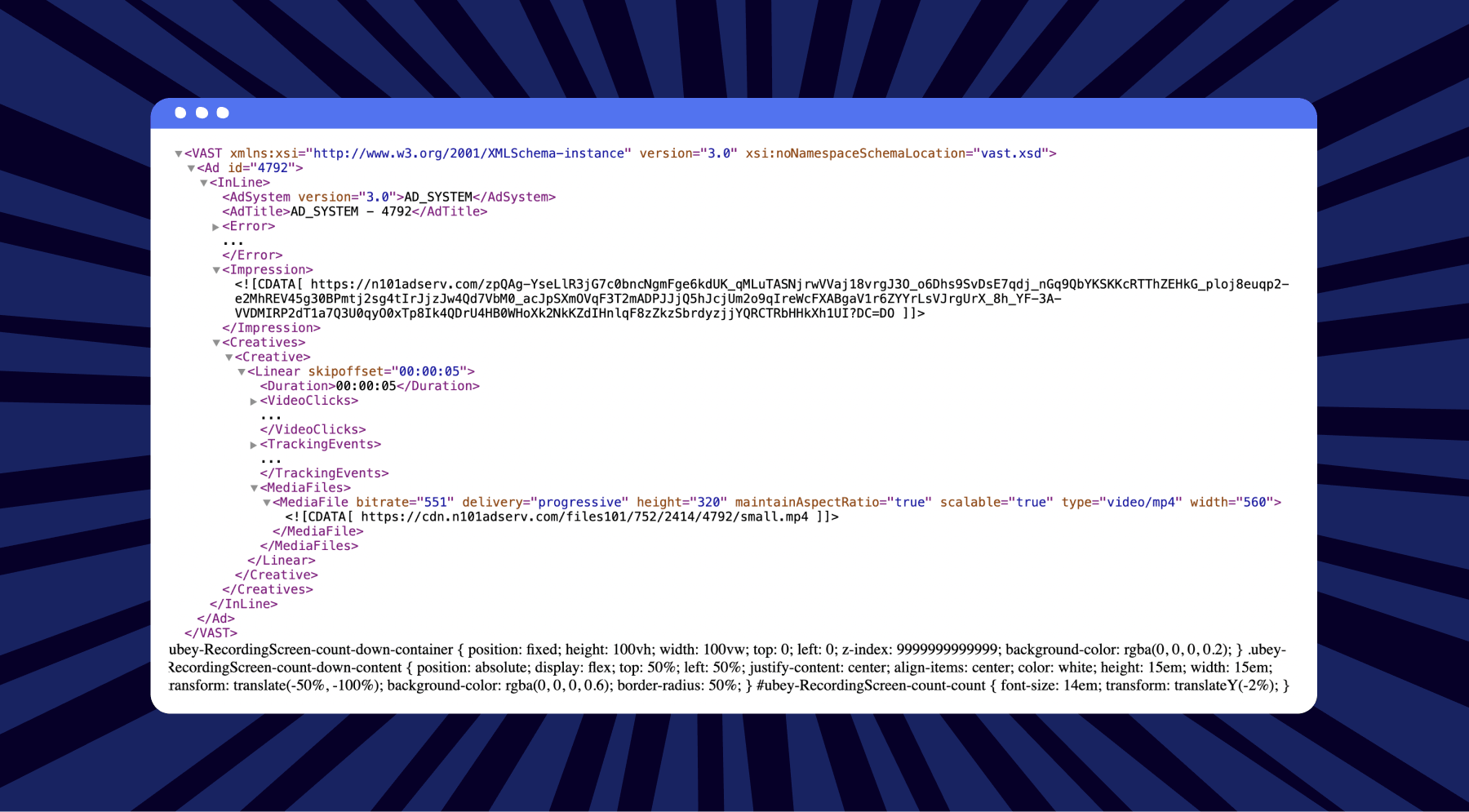
With that out of the way, let’s discuss how these elements work together.
How do VAST ads work?
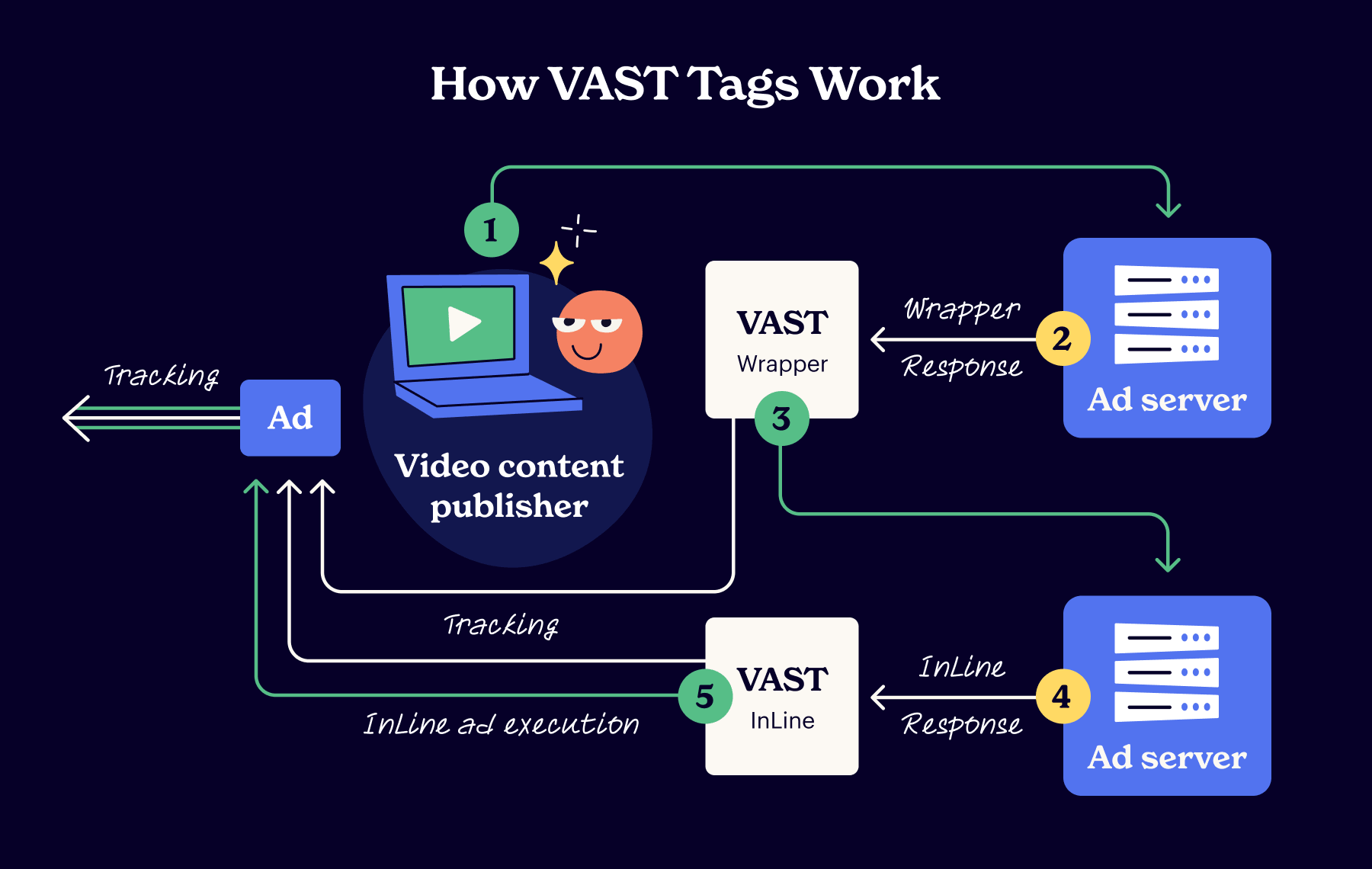
The way video tags work is similar at its core; we’ll explain the basics with VAST.
- Step # 1. Request. The video player calls an ad server for an ad.
- Step # 2. Response. The ad server gets the request and responds with a media file and a tracking URL.
- Step # 3. Tracking. Once the main video triggers, the video player launches the impression tracking URL.
What Are the Benefits of VAST?
As we’ve mentioned before, most online video ads are served through VAST, and that can be explained by its three core benefits:
- Seamless and quick communication between ad tech elements;
- A universal tool that eliminates the need for custom video ad players, thus saving resources;
- Simplicity of code reduces the risks of playback errors;
What Are the Versions of the VAST Tag?
Each version of the VAST tag builds and improves upon the formula. We, however, don’t really know why anyone would want a full changelog, but since it’s a really popular question, here you go:
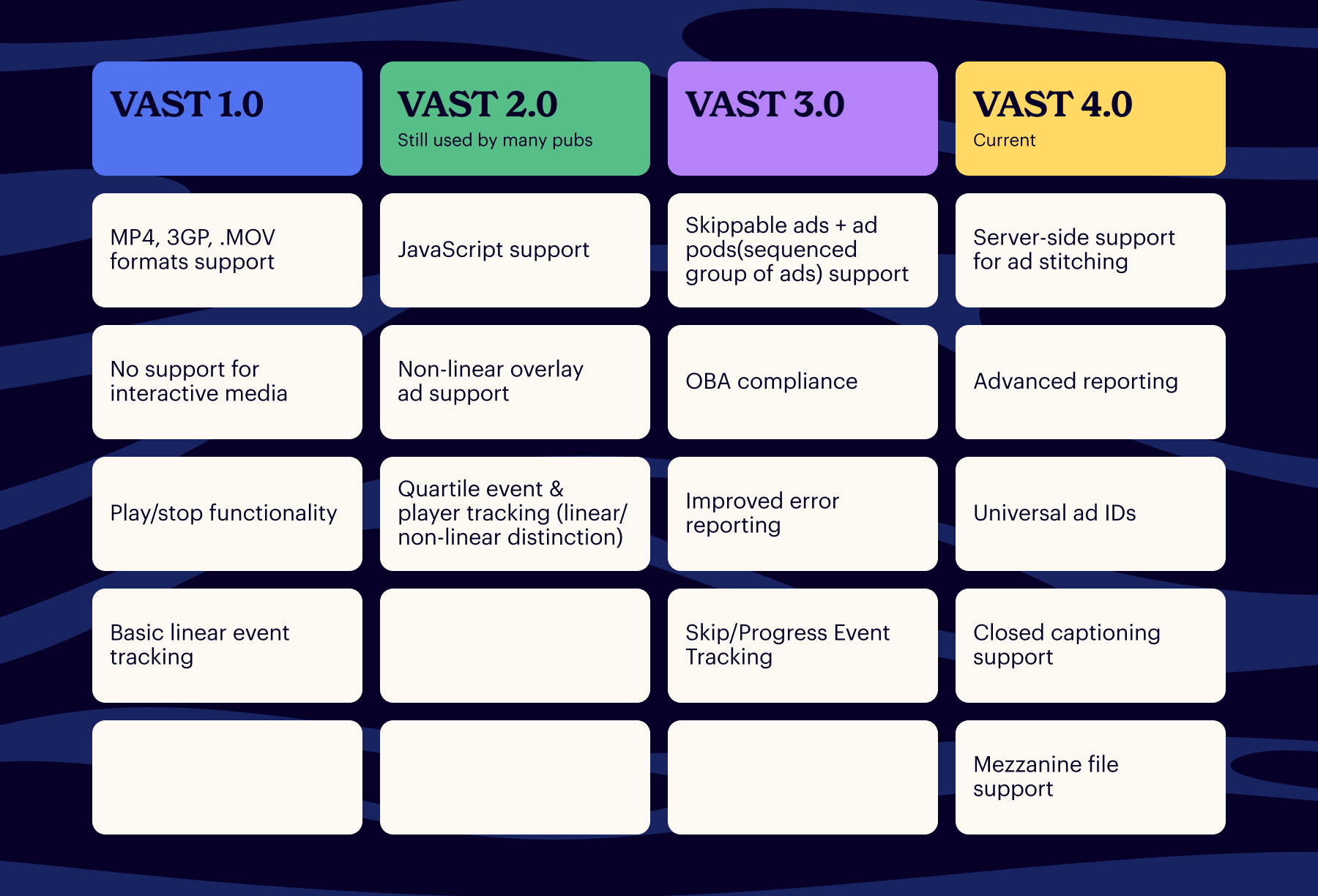
Over the years, VAST has significantly improved, but despite all the updates, it was never intended to run more complex video ads. The first attempt to solve this problem was VPAID.
What is VPAID?
Video Player Ad Interface Definition (VPAID) is a block of code that allows video players and video ad units to interact. Currently, there are two versions of VPAID with VPAID 2.0 support and ad resizing.
How Does VPAID work?
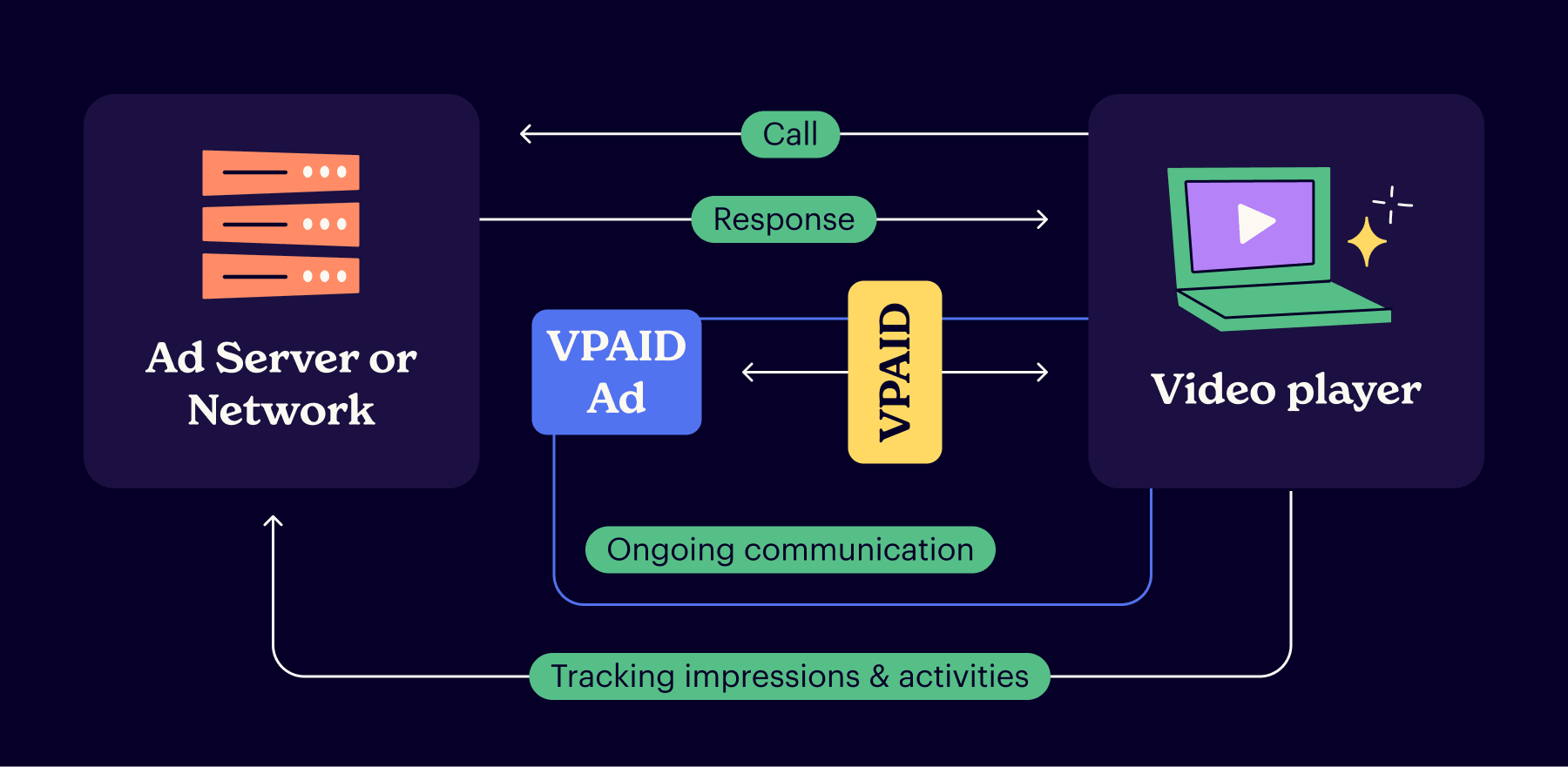
A quick glance at the steps below will seem oddly familiar if you’ve read carefully. That’s right, VPAID operates similarly to VAST, but for a better understanding, let’s glide upon the details.
- Step # 1. Request. The video player sends an ad request to the ad server.
- Step # 2. Response. The ad server responds with a VAST XML that contains the VPAID.exe ad unit.
- Step # 3. Communication. The video player and the VPAID ad unit communicate by exchanging information about ad unit properties and video events. In the meantime, the user sees the ad.
- Step # 4. Impression tracking. The ad unit and the video player send the impression data to their ad servers.
VAST vs. VPAID. How to Distinguish VAST from VPAID?
What is the difference between VAST and VPAID? VPAID came as a more advanced and complex version of VAST that allowed serving interactive ads and rich media + tracking how the users interact with them. But that hardly explains anything, so let’s dig deeper.
The VAST and VPAID difference comes down to what each one is actually responsible for. VAST is the delivery layer; VPAID is the interaction layer that sits on top of it.
Okay, big-brain time.
Difference 1. Purpose
VAST establishes communication between the ad server and video player, while VPAID connects the video player and video ad units.
That means that the main mission of VAST is to ensure that video ads run in the video player just how the ad server tells them to. The main objective of VPAID is to build upon this foundation and make sure that more complex ads can interact with the video player.
Difference 2. Form
That’s why VPAID is an executable code that can be implemented in JavaScript or ActionScript.
However, if publishers want to serve VPAID ads, they must ensure their video player supports VPAID API.
VPAID can work independently, but that would be like making a pickup when you can order a delivery. Thus, VPAID is usually served in a VAST template, so you get the simplicity and stability of VAST with the cool features of VPAID.
Difference 3. Functionality
So, what are these features that justify the VPAID hassle? The most notable are:
- Auto-resume of content after the ad is played;
- Support of interactive elements;
- Override when the ad takes too long to load (stops the ad, resumes the content);
- Resizing of the ad.
Both VPAID and VAST serve single video ads, but what if you need multiple ads? Let’s talk about VMAP.
What is VMAP?
Video Multiple Ad Playlist (VMAP) is an XML template that allows playing multiple ads during the video. Yup, nothing too complicated about it.
Once you understand how VAST VPAID VMAP relate to each other, the whole video ad serving stack becomes much easier to work with. VAST handles delivery, VPAID adds interactivity, and VMAP controls when and how often ads appear across longer video content.
VMAP is used in combination with VAST. Think about VMAP as the timecode feature on YouTube. During a video, VMAP tells the player when each of the multiple ads has to launch.
It doesn’t specify which ad has to play; that’s the job of an ad server.
Why Is VMAP Used?
VMAP is a tool designed to solve really specific problems. Let’s say you’re an advertiser who wants to insert an ad into a YouTube video or other user generated content where you have no direct control over the player.. You don’t have much control over ad timestamps; neither does the content publisher.
VMAP allows to configure the number of ads, ad breaks, and their availability. Needless to say, how useful it is.
VMAP doesn't make much sense if you control the player directly, but for syndicated or shared videos distributed across third-party environments, it becomes essential. But to be honest, that’s rarely the case for advertisers.
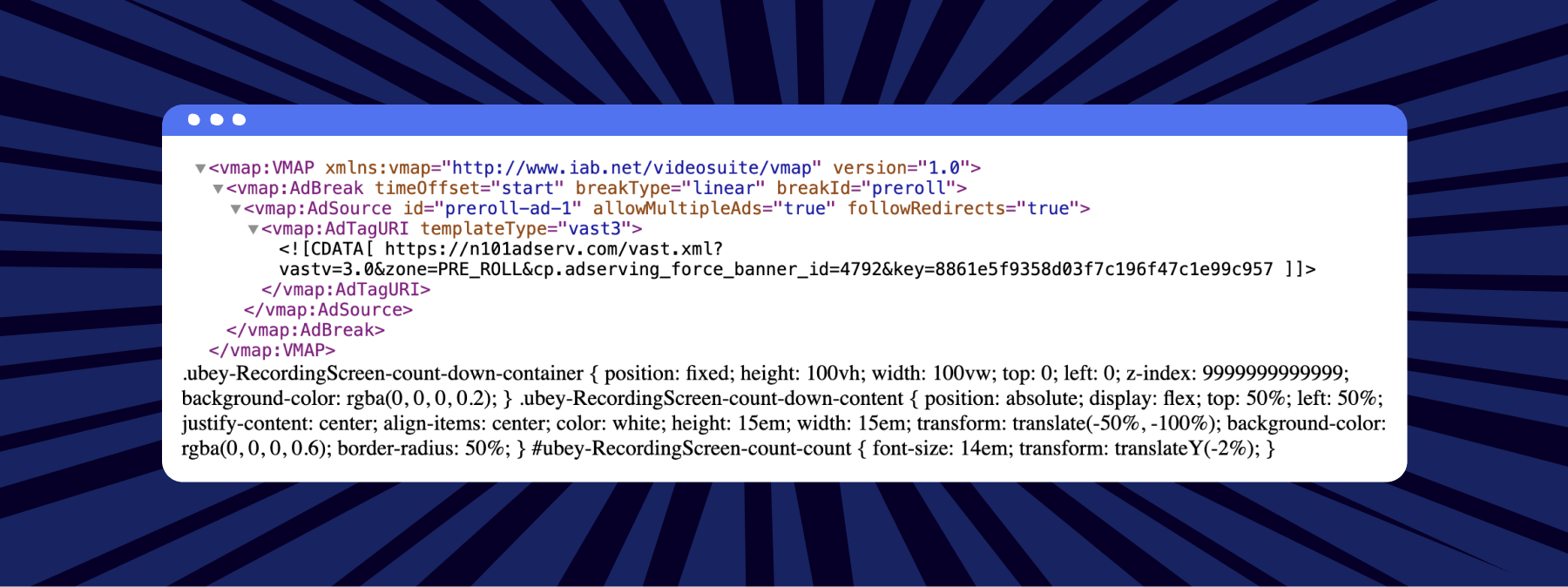
The VMAP should look something like this:
MRAID. SIMID & OMID vs. VPAID
This article is getting really long, but we still have three more video ad tags to cover. Don’t worry; we’ll be as brief and efficient as possible.
What Is MRAID? What Are the Benefits of MRAID?
Mobile Rich Media Ad Interface Dimensions (MRAID) is IAB’s API created to serve rich media ads on mobile platforms.
Java, Swift, Kotlin, Objective-C, and hundreds of SDKs — the diversity of stuff that has to be supported makes serving video ads on mobiles one huge hot mess, and MRAID aims to fix that.
The IAB calls it a “write once, run anywhere” standard; With MRAID, advertisers can serve ads on all mobile devices and focus on reaching the right audience rather than troubleshooting rendering errors across different SDKs..
We’d love to talk even more about this unsung hero, but for the sake of keeping it short, here are three things you have to keep in mind about MRAID:
- Currently, there are three versions of MRAID, with MRAID 3. 0 being the latest. What’s cool is that all these are backward compatible + the latest iteration supports ad resize, expenditure, and even native device functions (like device orientation);
- Not all mobile rich media ads run with MRAID. Some providers develop their own framework instead.
- MRAID 3.0 supports some of the VPAID events related to reporting.
Now that you know of MRAID, let’s move to more controversial stuff.
What’s Wrong with VPAID?
Remember everything good we told you about VPAID? Well, the standard has a lot to be desired.
Firstly, VPAID was designed to serve interactive media as a first priority and track its performance as a second. As a result, publishers often complained about the high rendering failure rate. Some sources claim that the error rate reaches up to 30%.
If a video fails to render — publishers don’t get paid for impressions and lose the ad revenue which definitely sucks.
Secondly, VPAID is vulnerable to exploits and data leaks. That mostly relates to VPAID creatives served through older versions of VAST, but as you might’ve noticed, ad businesses are really conservative in how they operate.
What is SIMID? What Is OMID? Are they the same thing as VPAID?
IAB is fully aware of all these issues; that’s why VPAID is no longer updated. The successors to VPAID are SIMID and OMID.
So, what is SIMID?
Secure Interactive Media Interface Definition (VPAID) is basically VPAID, but more secure and more accessible. SIMID supports mobile, OTT, and even SSAI.
In fact, the list of changes is even broader. SIMID has:
- Better playback stability;
- Better error handling;
- Better UX(at least IAB states that);
- Better data security;
- More control for publishers.
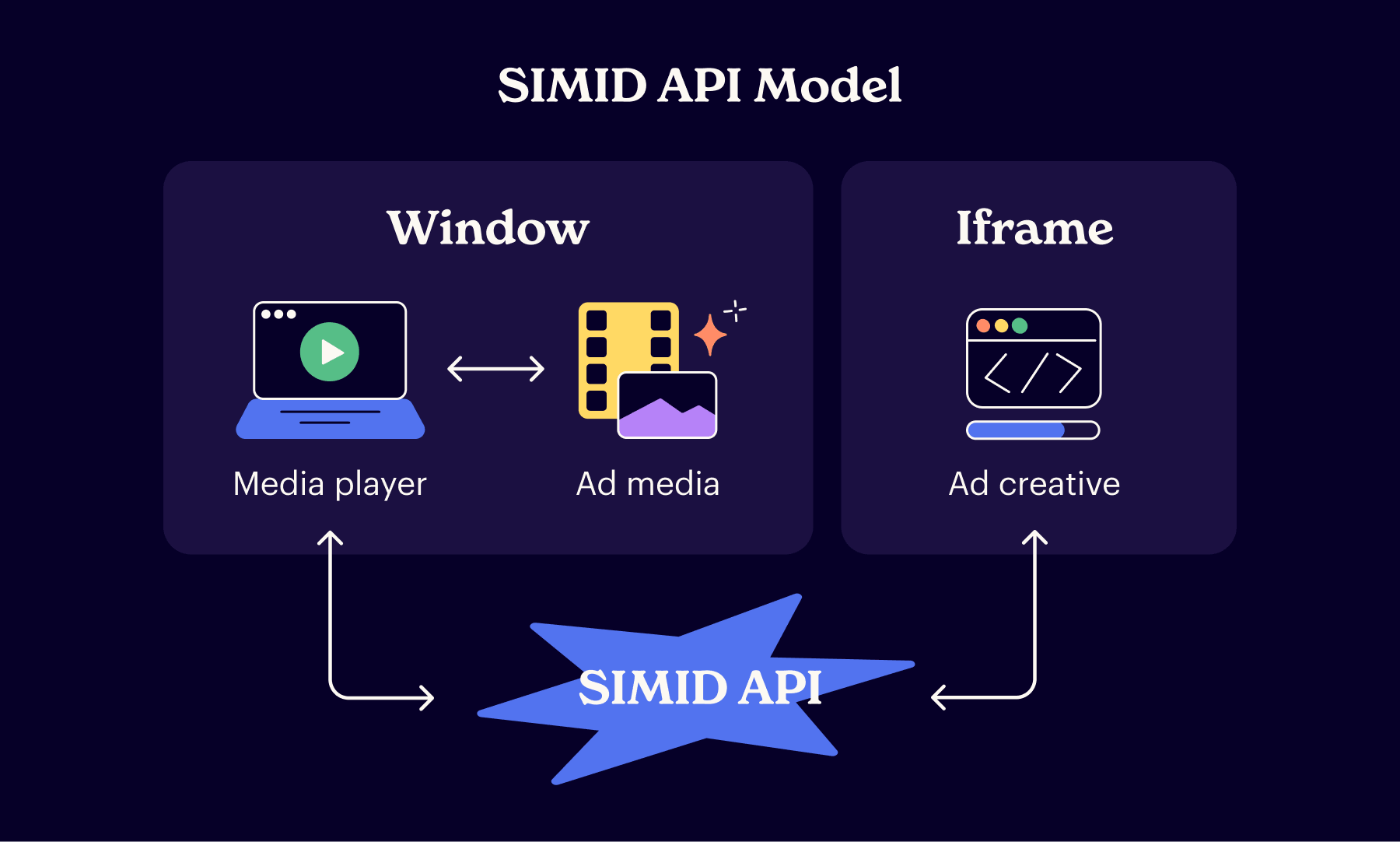
How does it do this? SIMID separates the interactive part of the ad from the media asset the user sees. In short, it gives playback control to the video player itself rather than being the boss of ad placement (thus giving publishers more freedom).
What about OMID?
While SIMID covers the publisher’s side, Open Measurement Interface Definition (OMID) is responsible for better transparency for advertisers.
OMID is an open-source API. Its main purpose is to simplify how advertisers view and verify ads. How does it improve what was in VPAID?
Firstly, with VPAID, advertisers needed multiple SDKs to verify ads; now they have one.
Secondly, with VPAID, placed ads required access to the whole page rather than just a video player. This, naturally, increased the security risks.
What’s with the deprecation of VPAID?
SIMID and OMID, used in tandem, completely outmatch VPAID. They make the advertiser-publisher relationship more safe and transparent while providing them with more diverse and stable ad placement.
IAB even has special SDKs for OMID to improve adoption rates, but that hardly makes the difference.
Yeah, the global market doesn’t really like changes, even if they are for the better. That’s not catastrophic, we all have old habits. But just like “Smoking kills” on the front of your vape package, we hope to increase your awareness of positive change 😉
How to Create Vast Tags with webflyer Ad Server
One practical marker of the best video ad serving platform is how straightforward it makes tag creation and VAST event tracking. With webflyer Ad Server, the process takes four steps and does not require editing raw XML by hand.
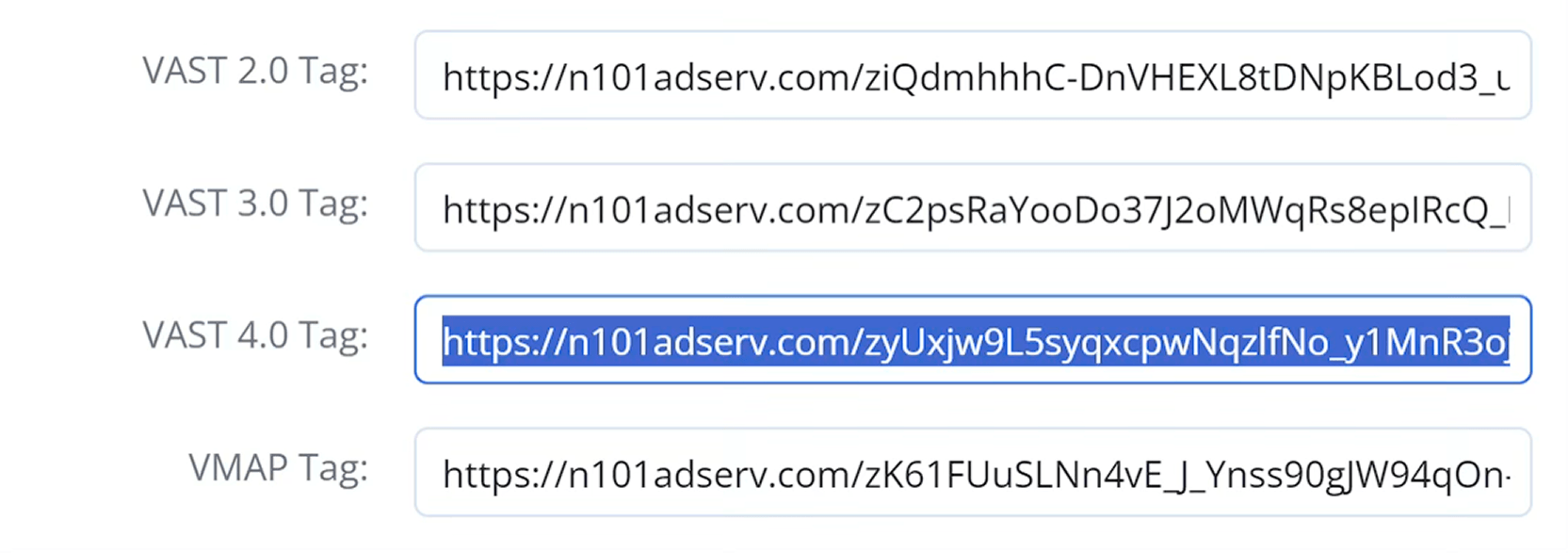
Okay, you’re probably tired already, but we still have one thing unsettled. Let’s extract a VAST tag with four easy steps:
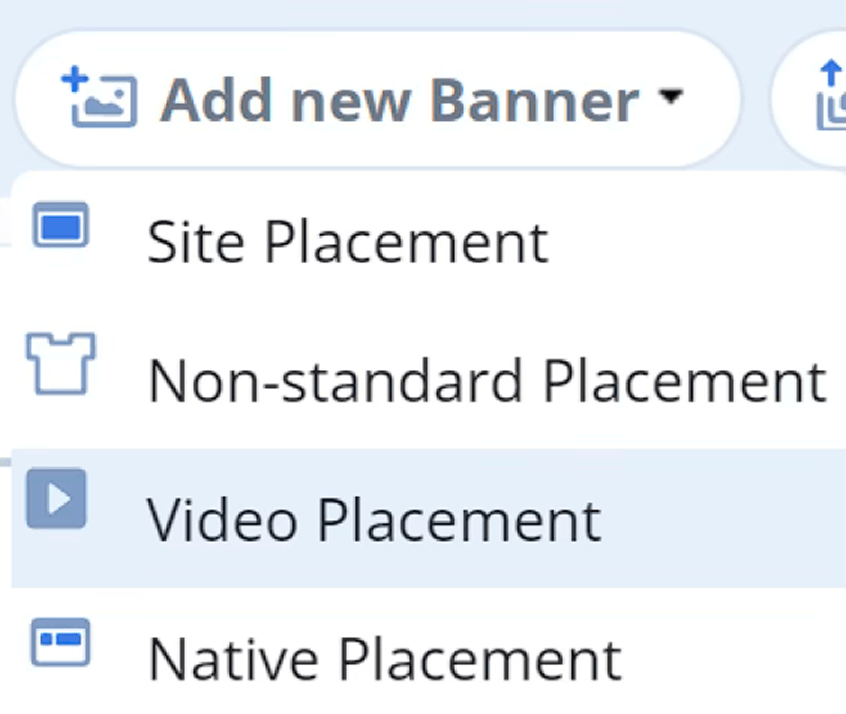
- Create a Video Banner from the “Advertiser” tab:
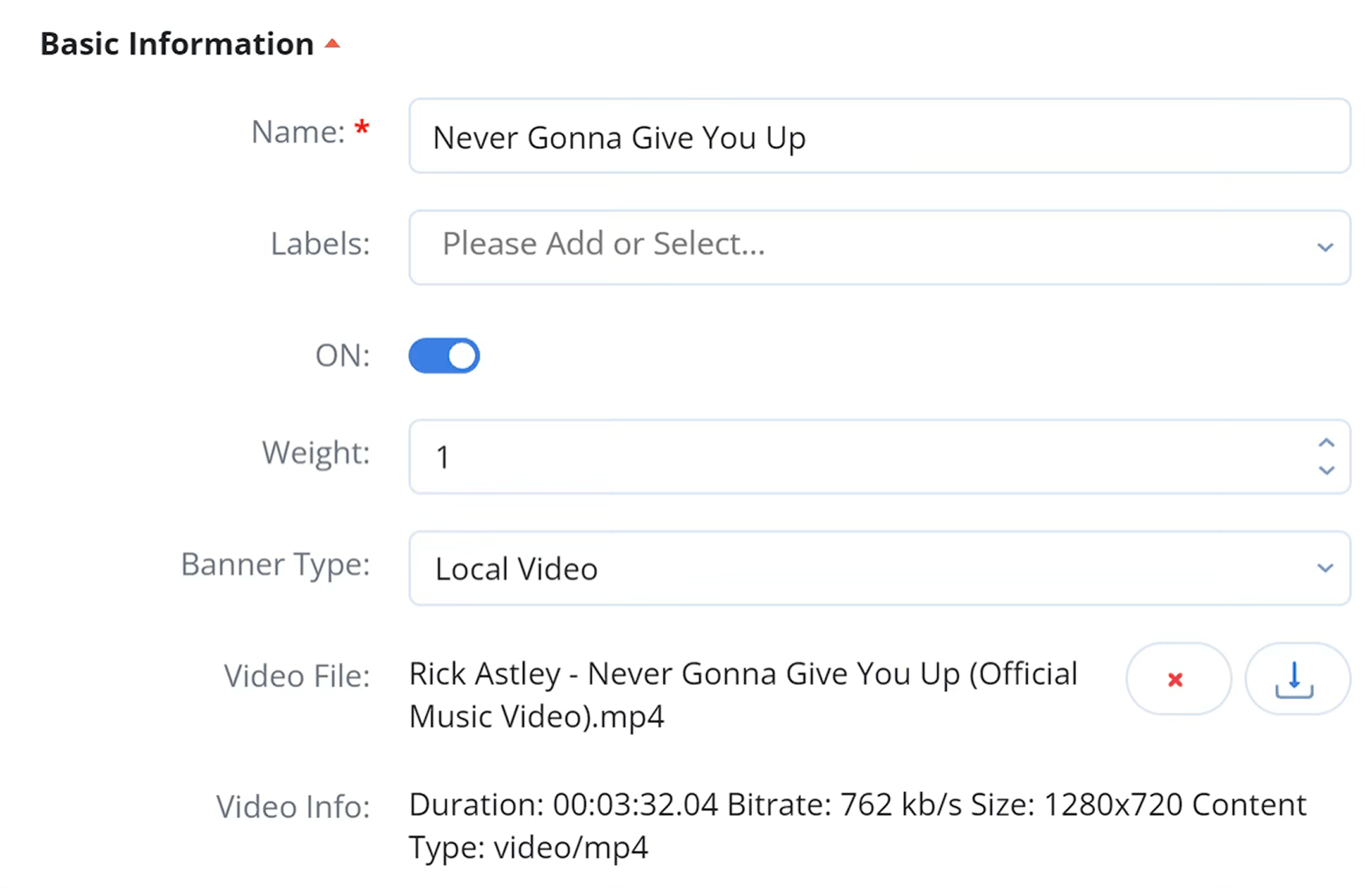
- Upload a Creative

- Link it to the Video Placement from the “Publisher” tab.
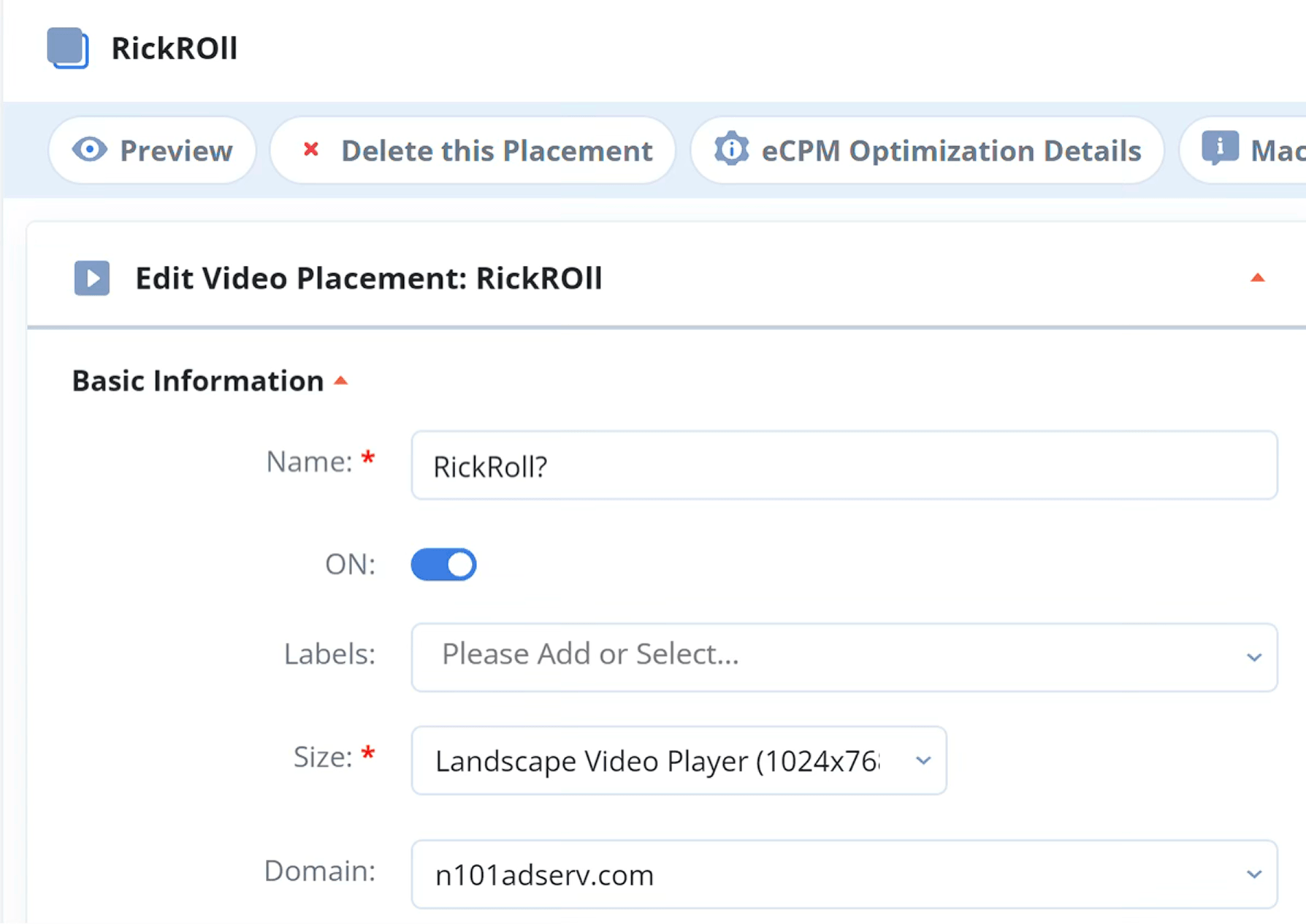
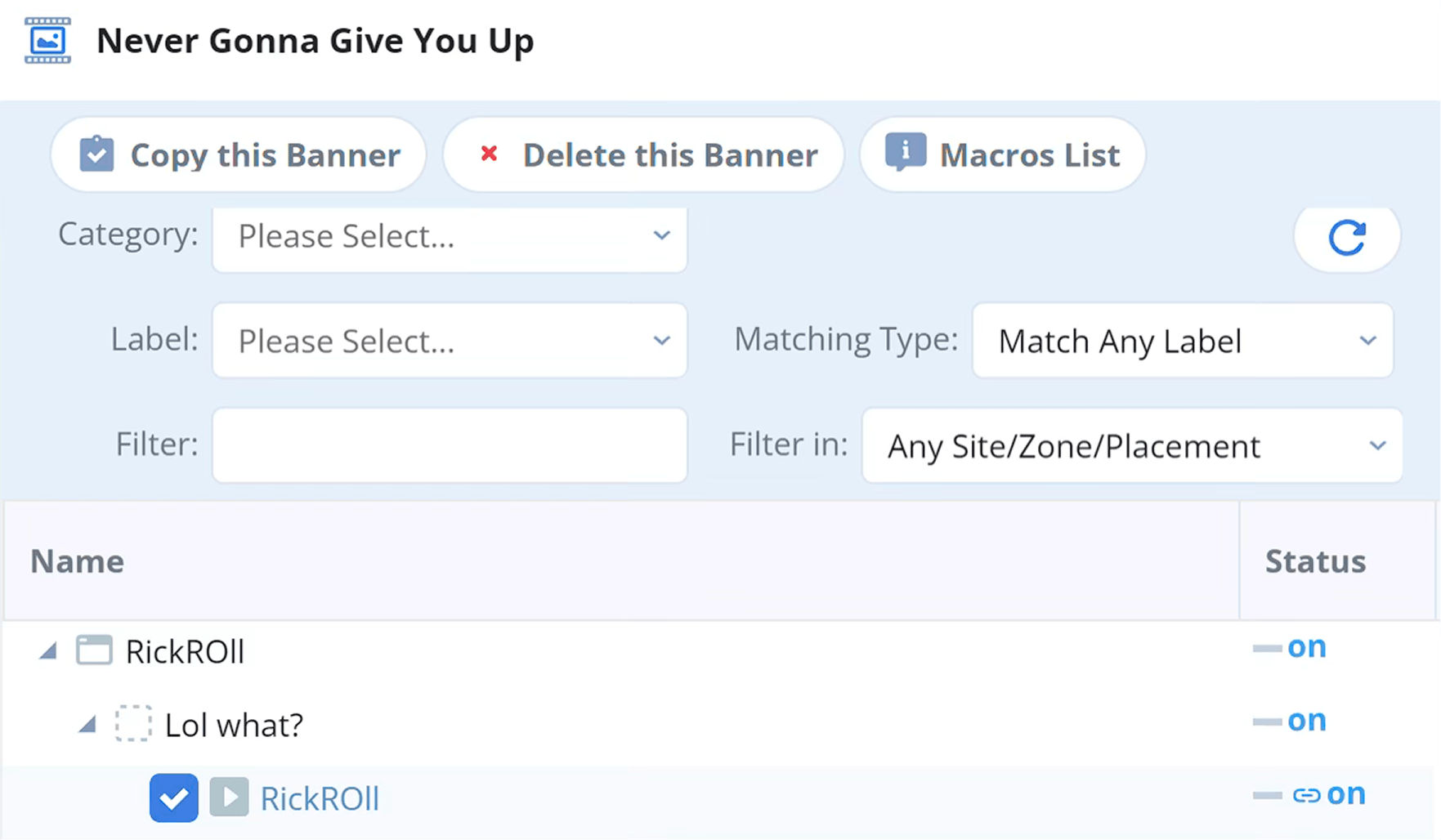
- Copy the tag.
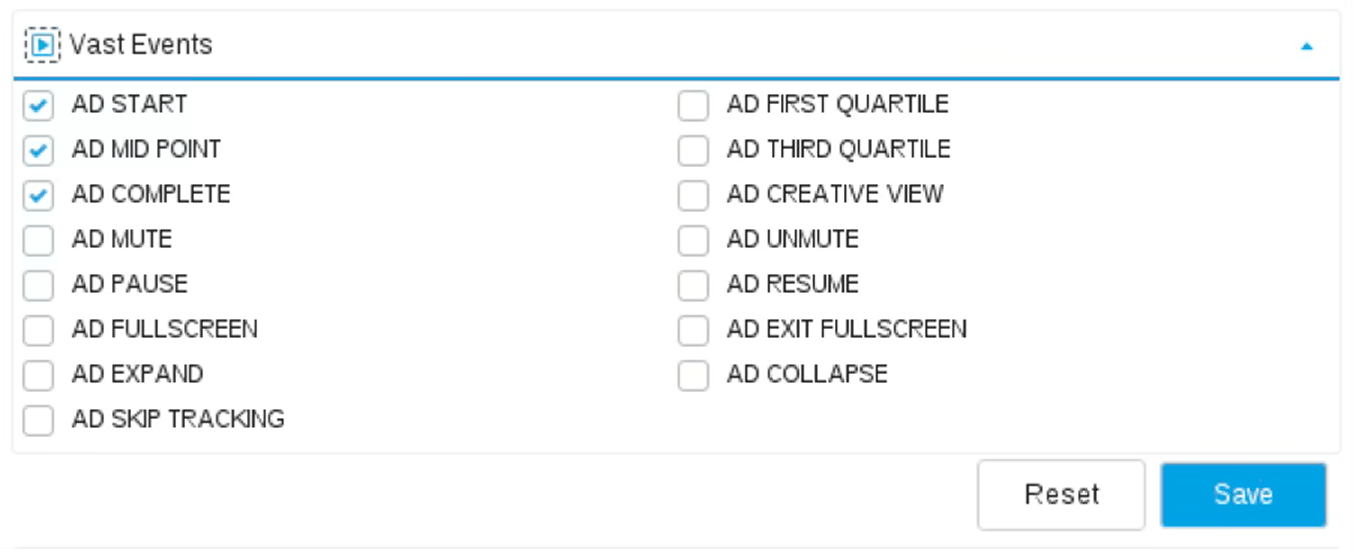
- Extra. webflyer Ad Server supports VAST events tracking. Select the items you need in the Vast Events pane to enable this feature.
Wrapping Up
The basic knowledge of video ad tags will help you understand how to mark all the spots in your campaign plan. Yeah, that’s a lot of information, but trust us, it’ll get in handy once you start improving your video campaigns.
By the way, you can start doing it today; the webflyer ad server supports a wide variety of ad formats, video ad tags included.
Use the latest versions of VAST with the webflyer ad server!
Serve Video Ads like a ProFAQ
-
What is the difference between VAST tag and an impression tracker?
A VAST tag is the full video ad serving template that packages the media file, ad format, and tracking elements into a single XML schema. An impression tracker is one of those tracking elements inside VAST, not a separate system. If your video ad serving platform shows tracking gaps, check whether the VAST tag is firing correctly before isolating the impression tracker.
-
What does "failed to load the VPAID ad" mean?
This error means the video player does not support the VPAID API required to run the ad unit. Unlike VAST, which transfers metadata, VPAID executes code inside the player environment, and if that support is missing, the ad cannot load. Contact your creative provider first, then confirm the player supports VPAID 2.0, or consider migrating to SIMID, which is the current replacement standard.
-
Which creative types does VPAID support?
VPAID 2.0 supports three creative types: full-screen expanding, interstitial, and HTML5 non-linear. These were designed for interactive and rich media ads that standard VAST cannot deliver. For new builds on any video ad serving platform, these same creative types are now better handled through SIMID, which offers stronger playback stability and data security.
-
What is the difference between VAST, VPAID, and VMAP?
VAST is the base video ad serving template that delivers a single ad from an ad server to a video player. VPAID extended VAST to support interactive ad units, while VMAP operates at the session level, scheduling multiple ads and controlling ad insertion timing across a piece of video content. In practice, VAST VPAID VMAP work as a stack, not as alternatives.
-
Does video ad serving work differently on CTV and OTT platforms?
On connected TV and OTT platforms, browser-based VPAID does not work, so VAST 4.x handles ad delivery while OMID manages measurement on the advertiser side. SIMID was designed specifically to support mobile, OTT, and server-side ad insertion environments, making it the recommended standard for interactive formats in these contexts. Publishers building video ad serving technology for CTV should prioritize SSAI compatibility and OMID adoption from the start.



![5 Reasons Why White-Label DSP Beats Self-Serve DSP Hands Down [Quiz]](../../resources/blogArticles/5-key-differences-between-white-label-DSP-vs-self-serve-DSP/Preview.webp)